

Ageing in Place: How Domiciliary Care Keeps People in the Homes They Love
We spend decades getting a house right. The garden that took fifteen years to mature, the kitchen finally sorted in 2019, the chair positioned exactly where the afternoon light lands, the thermal upgrades done properly rather than cheaply. Then age arrives and the standard advice is to leave it all for a building with handrails and someone else’s thermostat settings.
Ageing in place, staying in your own home with support brought in, is the alternative most people say they want and fewer realise is genuinely achievable. It rests on two legs, and this site’s readers are already experts in one of them.
The fabric: adapt the building you have
The first leg is the home itself. Sensible adaptation is retrofit thinking applied to a different performance target: instead of heat loss, fall risk; instead of airtightness, reachability. Grab rails where hands already go. Lighting that actually lights the stairs, on sensors so nobody navigates them dark. Lever taps for hands that no longer twist. Thresholds flattened, rugs pensioned off, a level-access shower where the awkward bath was. At the ambitious end, a downstairs bedroom and wet room turn a two-storey trap back into a whole-life house.
Most of it is cheap, especially done during other work rather than in a post-hospital scramble, and support exists: council assessments, occupational therapist recommendations, and Disabled Facilities Grants for those who qualify. The greenest building is the one already built, and the same logic scales down to every fixture in it.

The human infrastructure
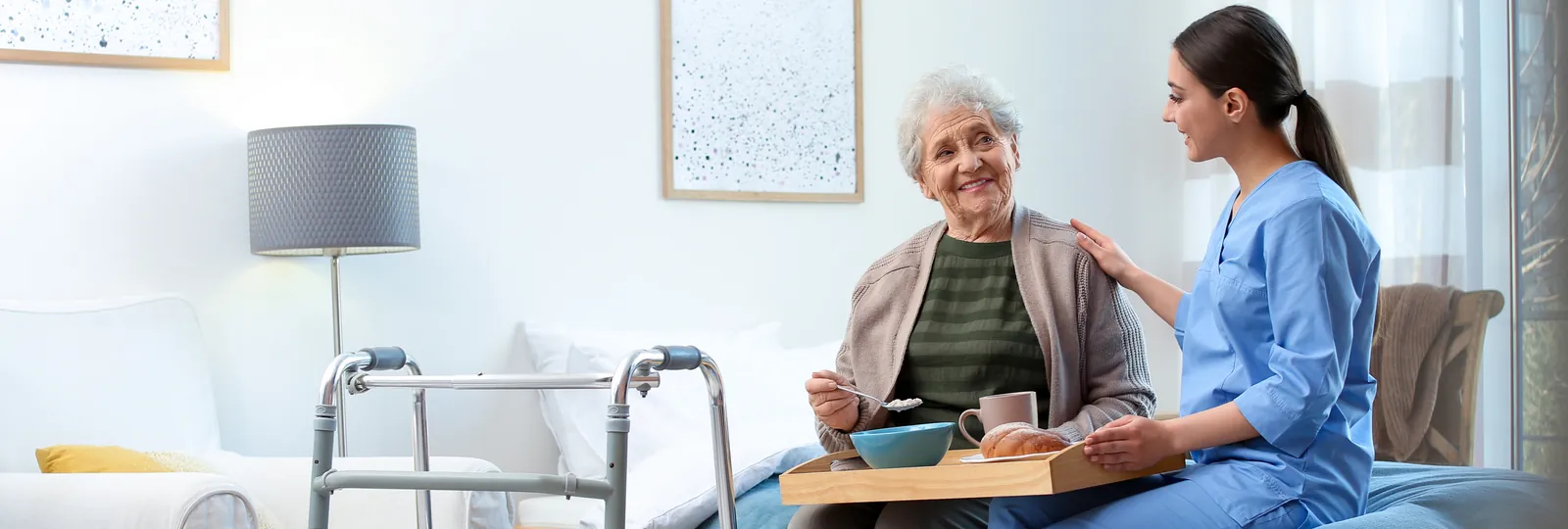
The second leg is people, because a perfectly adapted house still can’t cook lunch, and that’s what domiciliary care is for: scheduled visits that bring the help to the house. Morning routines, medication, meals, shopping, and the steady reassurance for family that someone reliable crosses the threshold every day and would raise the alarm if something were wrong.
The arrangement scales the way good systems should. It can start as a single daily check and grow to several calls a day as needs change, which means the same setup flexes across years without forcing a disruptive move at each new stage. Care needs rarely arrive all at once; they accumulate, and visit-based support accumulates with them.
The sustainability case hiding in plain sight
There’s an environmental logic here that this audience will spot immediately. Keeping someone in an existing, adapted, familiar home wastes nothing: no new build, no upheaval, no severed social ties that then need rebuilding somewhere else at great cost, human and otherwise. The person keeps their community; the community keeps its person; the house keeps its purpose. Independence turns out to be rather sustainable.
The practical route in is more navigable than people fear. The NHS social care guide at nhs.uk walks through assessments, funding and what to arrange first, and the earlier the planning starts, the more choices stay open. Which is, after all, the entire philosophy of this site applied to its owner: future-proof early, adapt what exists, and the answer most people wanted all along becomes the answer they get. Home, with help.